
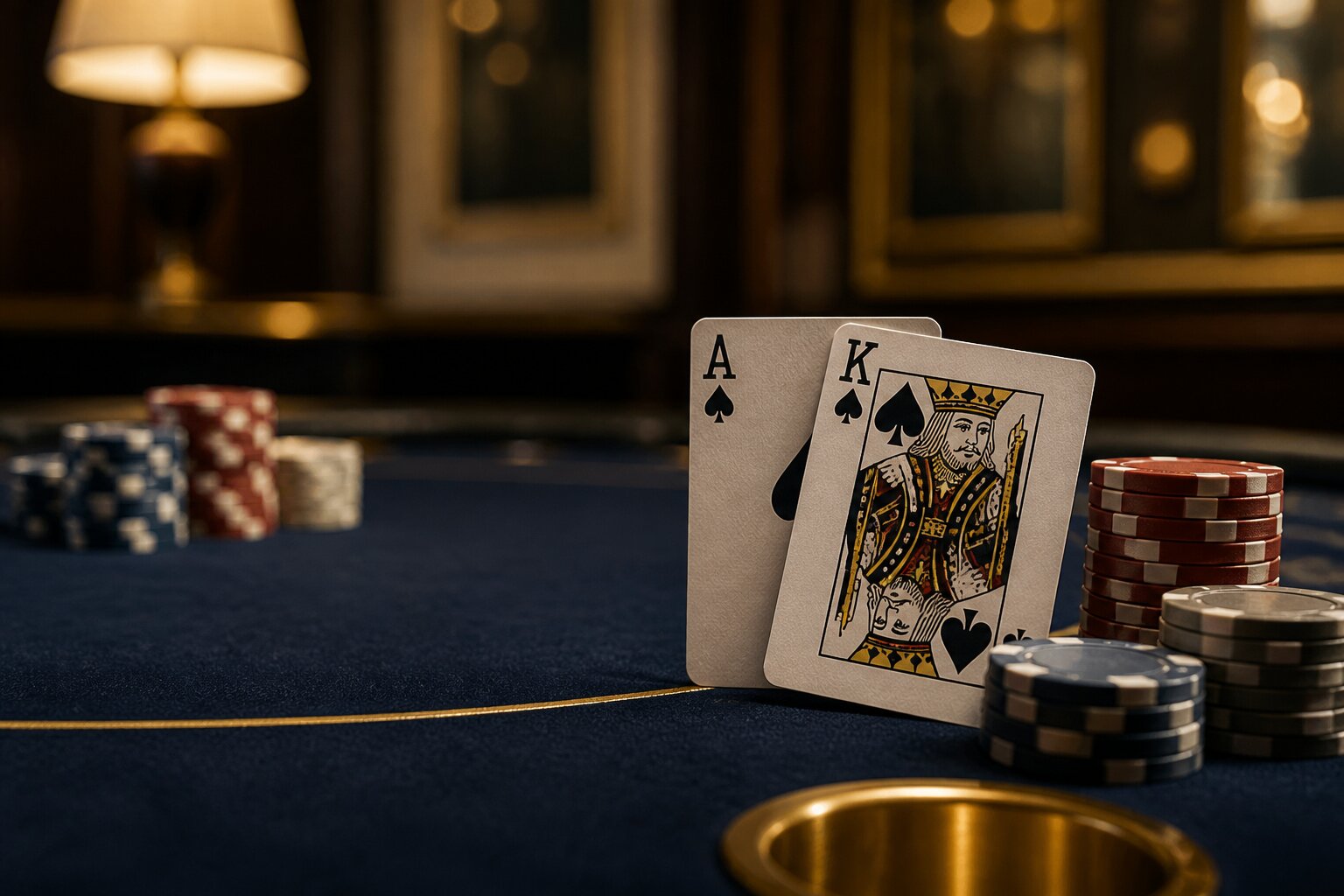
Ever wondered what happens when you strip out all the low cards from a standard deck of poker? Hands you once took for granted suddenly carry different weight, and the game adopts a sharper, quicker character. That’s Short Deck Poker: a popular variant played with just 36 cards.
If you know Texas Hold’em, expect familiar sights but altered rhythms — common hands arrive at different rates and the usual odds don’t apply. Players across the UK have been drawn to the increased action and the opportunity for bigger pots, whether at a live table or online.
This guide explains how Short Deck Poker works, how hand rankings change, and what to watch for when you sit down. Read on to get a clear picture of the rules and practical strategies that make this format distinct.
What Is Short Deck Poker?
Short Deck Poker is a variation that removes all twos through fives from the standard 52-card deck, leaving six through ace in each suit for a total of 36 cards. With fewer ranks in play, most hands you see will be stronger on average than in traditional poker.
That shift alters the game’s probabilities: some combinations become rarer, others more common, and this rearranges the practical value of particular holdings. Short Deck is also known as “six-plus” for the way the deck starts at six. The format keeps the core structure of community-card poker but rewards different lines of play, which can be refreshing whether you play casually or competitively.
Next, we’ll take a closer look at how a round is dealt and where the rule differences show up in actual play.
Short Deck Poker Rules Explained
A Short Deck round begins like Texas Hold’em: each player receives two private hole cards and the dealer deals community cards in stages — the flop (three cards), the turn (one card) and the river (one card). Players make their best five-card hand from any combination of hole and community cards.
Because the deck contains only six-through-ace, the lowest possible card is a six and the range of possible hands is compressed. Betting typically follows the familiar sequence of pre-flop, flop, turn and river; many games use an ante from every player rather than small and big blinds, which can affect how early action develops.
One important rule shift in many Short Deck games is the hand hierarchy: a flush is commonly ranked above a full house to reflect relative rarity. Betting behaviour, bluffing and positional awareness remain central, but the altered frequencies of hand types often demand different strategic emphasis than in regular Hold’em. From here, we’ll examine how the changed deck specifically alters hand rankings.
How Does Short Deck Poker Differ from Traditional Poker?
The main difference is the deck composition: removing twos, threes, fours and fives reduces the deck to 36 cards and raises the baseline strength of most hands. With fewer low cards available, straights and sets show up more often, while flushes occur less frequently — hence the usual ranking swap that places flushes above full houses in many games.
Some rooms and games substitute antes for blinds, which can change early-round incentives and create faster action. The altered hand frequencies also mean the value of certain draws and defensive hands shifts; hands that are strong in standard Hold’em may be less reliable here, and vice versa.
Understanding these shifts leads directly into the specifics of the Short Deck ranking system, which follows next.
Short Deck Poker Hand Rankings
Short Deck hand rankings are adjusted to match the changed probabilities in a 36-card deck. The ranking below runs from strongest to weakest and includes examples to show how each combination looks in practice.
Before the list, note that the ace can be used as a low card to form the lowest straight — A‑6‑7‑8‑9 — because cards two through five are absent.
Royal Flush: The highest straight flush. Example: 10♥ J♥ Q♥ K♥ A♥
Straight Flush: Five consecutive cards of the same suit. Example: 8♠ 9♠ 10♠ J♠ Q♠
Four of a Kind: Four cards of the same rank. Example: K♠ K♣ K♦ K♥ 8♦
Flush: Five cards of the same suit; ranked above a full house in many Short Deck games. Example: 6♣ 8♣ J♣ Q♣ A♣
Full House: Three cards of one rank and two of another. Example: Q♠ Q♥ Q♣ 8♠ 8♥
Three of a Kind (Set): Three cards of the same rank. Example: 9♣ 9♦ 9♠ J♦ A♠
Straight: Five consecutive cards of mixed suits. Example: 9♥ 10♣ J♠ Q♣ K♦
Two Pair: Two separate pairs. Example: J♣ J♦ 8♠ 8♣ K♠
One Pair: Two cards of the same rank. Example: A♣ A♦ 7♠ 10♠ Q♥
High Card: None of the above; highest card determines the hand. Example: A♠ 10♦ 9♥ 7♣ 6♣
With that framework in mind, the next section defines common terms and clarifies how certain card values are used in play.
Common Terms & Card Values in Short Deck Poker
This section defines the familiar and slightly altered vocabulary you’ll encounter at the table.
Ante: A compulsory bet placed by all players before cards are dealt. Example: each player contributes £1 to form the initial pot.
Button: The dealer position, which usually acts last in post‑flop betting rounds.
Community cards: Cards dealt face-up in the centre of the table and shared by all players — the flop, turn and river.
Hole cards: The two private cards dealt to each player.
Six-plus deck: Another name for Short Deck Poker, emphasising the deck’s lowest card.
Set: Three of a kind that uses a pair from a player’s hole cards plus one on the board.
Kicker: The highest unpaired card used to break ties between otherwise equal hands.
Action: The sequence of betting choices — checking, calling, raising or folding — during a hand.
Showdown: The point after the final betting round when remaining players reveal cards to determine the winner.
These terms form the practical language of Short Deck play; the next section offers tips that help translate this vocabulary into better decisions at the table.
Essential Tips for Playing Short Deck Poker
Choose stake levels that match your comfort and experience. Playing with money you’ve set aside for entertainment prevents pressure to chase losses and keeps decisions clear-headed.
Learn the hand rankings and practise with low-stakes or free play before moving up. This helps internalise how often certain hands occur and what lines tend to be profitable in the format.
Pay attention to position and the tendencies of opponents. Because hand distributions differ from standard Hold’em, reading betting patterns and adapting to how others play becomes even more valuable here.
Take regular breaks to keep focus sharp and avoid fatigue-driven errors. Short Deck’s faster pace means playing while alert is particularly important.
Outcomes vary and no strategy guarantees profit; if play stops being enjoyable or starts to cause concern, step away and seek support such as BeGambleAware. With those safeguards in place, you’ll be better positioned to enjoy the strategic differences this format offers.
Frequently Asked Questions About Short Deck Poker
Short Deck Poker has grown in visibility and raises practical queries about availability and suitability. Below are concise answers to common concerns.
Can You Play Short Deck Poker Online?
Yes — many online poker operators offer Short Deck variants, often labelled as “6+ Hold’em” or “Short Deck.” Online play can be a convenient way to try the format at low stakes or in free games while learning how altered hand frequencies change decision-making. Choose operators that are licensed and regulated where you play, and ensure you meet the minimum age requirement for gambling.
Is Short Deck Poker Good for Beginners?
Short Deck Poker can be appealing to players who already understand basic Hold’em concepts, since the format shares a familiar structure while requiring different hand valuation and strategic adjustments. Complete beginners may prefer to start with standard Hold’em to learn fundamentals before exploring Short Deck, but motivated learners who study the rankings and practise at low stakes can progress quickly.
With that final point, you have the core knowledge to recognise how Short Deck reshapes familiar poker territory and where to focus your learning as you try the format for yourself.
Play Casino Games at Slot Sites UK
We invite you to enjoy the friendly and entertaining atmosphere we offer at Slot Sites UK. There is something special about playing with us, whether you are exploring new games or simply looking for a bit of fun.
Getting started is straightforward: just set up your account, make a deposit and you are ready to play. We look forward to welcoming you and hope you have an enjoyable experience with us.
**The information provided in this blog is intended for educational purposes and should not be construed as betting advice or a guarantee of success. Always gamble responsibly.