
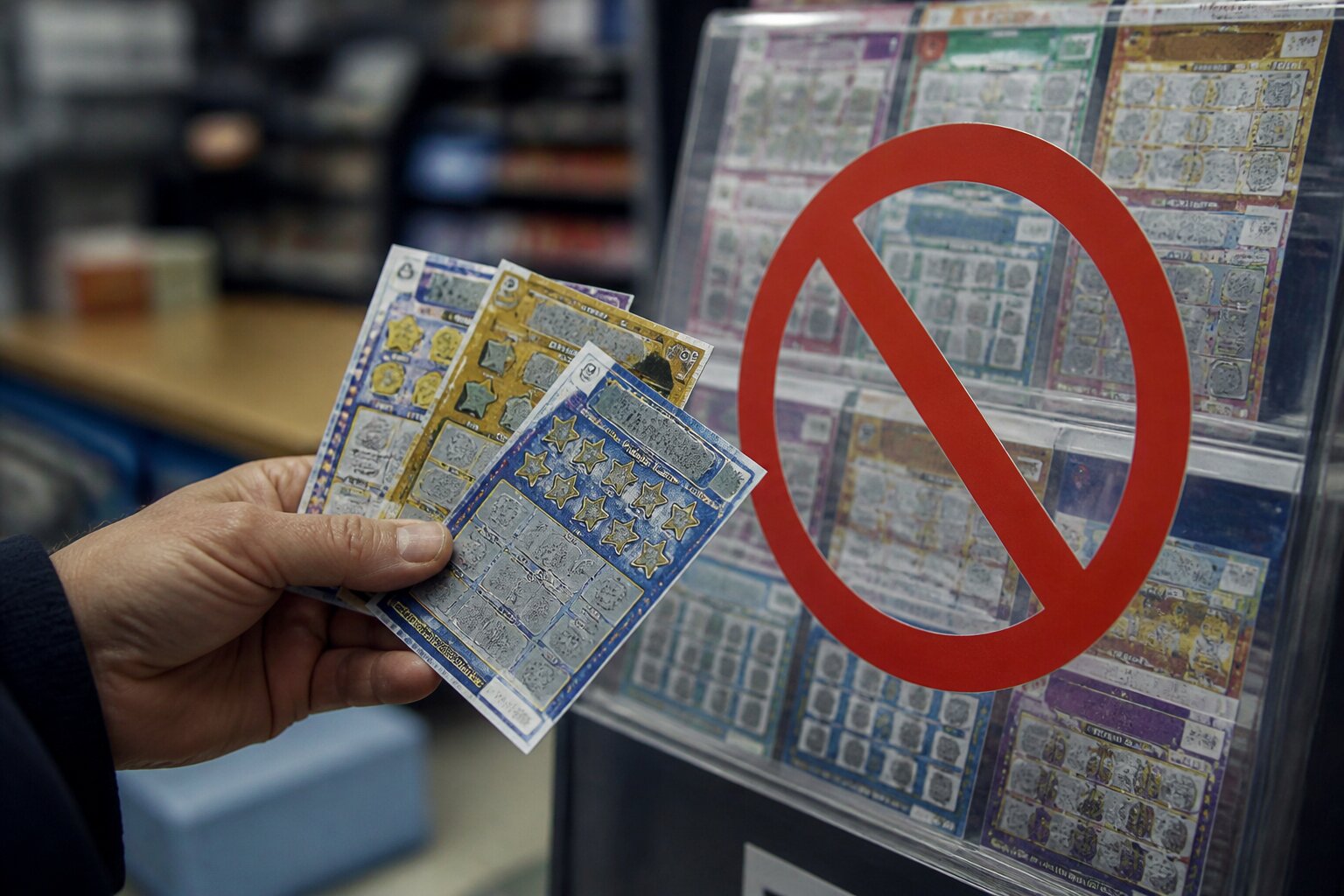
Ever grabbed a scratch card while queuing at the corner shop, hoping for a life-changing prize or a small thrill on your lunch break? For many in the UK, scratching off that silver panel has been a familiar moment in an otherwise ordinary day. Recently, though, the presence of those cards has been changing, and it’s worth understanding why.
A mix of regulatory updates and growing emphasis on player protection has altered how instant-win lottery products are sold and displayed. The next section looks at the reasons behind this shift and what has driven retailers and operators to rethink scratch cards.
Why Are Scratch Cards Being Phased Out?
Several factors have combined to reduce the number of scratch cards available on shop counters and online. At the centre of the shift are regulatory changes intended to strengthen safeguards around gambling products and to ensure they are aimed strictly at adults.
Age restrictions are a primary issue. Following a legal change that raised the minimum age for National Lottery products to 18, retailers now face clearer obligations to check identification. That has led some shops to limit the range of products they offer to make compliance simpler and reduce the risk of selling to underage customers.
There is also greater scrutiny of how game features affect behaviour. Instant-win products are quick by design, and regulators and public health bodies have questioned whether that rapid format might encourage impulsive play for some people. In response, operators have reviewed product lines and removed titles that were judged higher risk, while regulators have issued guidance on safer game design and promotions.
Additionally, broader public-health initiatives and government consultations have pushed operators to examine their product portfolios and communications more closely. These wider policy aims have encouraged the industry to prioritise safer formats and clearer safeguards, which in turn has reduced the prominence of many scratch cards.
If you’re wondering how these changes will affect day-to-day players, the next section explains the practical impact on availability and choice.
How Will These Changes Impact UK Lottery Players?
The most immediate effect for players is reduced availability. Where a wide variety of scratch cards used to sit behind local shop counters, many retailers now carry only a limited selection or none at all. This can mean fewer price points and fewer themed options for people who used to pick up a card on a whim.
Impulse purchases are less likely too. With stricter ID checks and a focus on preventing underage sales, staff are more likely to ask for proof of age. That shifts the dynamic from grab-and-go to a more considered transaction, which some players welcome and others find restrictive.
Players who miss instant outcomes may migrate to scheduled draws such as Lotto or EuroMillions, or try online instant-win games that replicate the scratch card format. These alternative options tend to offer built-in controls like spending limits and account verification, which some find reassuring. However, draw-based games provide less frequent prize events than instant wins, so the experience changes as well as the mechanics.
Retailers reducing scratch card ranges also affects local shopping habits. For many independent shops, lottery sales were a steady source of income and brought regular footfall. Where those sales fall away, shops may look to other products or digital services to make up the difference.
Next, we’ll set out the specific regulatory and market updates that have driven these outcomes.
Recent Updates to UK Lottery Games
Recent years have seen concrete moves affecting how lottery products are sold and managed. One of the most significant shifts was the legal change that raised the minimum age for National Lottery play to 18, which altered retail procedures and online sign-up requirements.
Alongside that change, regulators and the industry have removed or redesigned some high-risk instant-win products. Certain higher-priced scratch cards that offered rapidly recurring play or large, frequently advertised prizes were pulled from sale after being assessed for potential harm. Seasonal and limited-edition releases have also become less common as operators balance demand with safety considerations.
Retail environments have adapted too. Many shops now display fewer card types and reorganise counters to make age checks and responsible play messaging more visible. Online, operators have added verification steps, spending caps and clearer account controls to meet regulatory expectations.
Communication about safe play has been amplified, but this is now integrated more subtly at point of sale and within digital platforms rather than repeated across every message. The result is a more measured approach to consumer information and protections, which dovetails into the alternatives players can try next.
Scratch Card Alternatives: What Options Are Available?
If scratch cards are less easy to find, several alternatives remain for adults who enjoy lottery-style activity. Traditional draw-based games such as Lotto, EuroMillions and Set For Life continue to be widely available through retail outlets and online. These provide scheduled draws with results announced at set times, which changes the pace and anticipation compared with instant-win formats.
Digital instant-win games offer experiences similar to scratch cards but within accounts that require verification. These platforms commonly include practical tools like spending limits, session time reminders and the ability to set deposit thresholds, which some players find helpful for managing how they play.
Other options include online raffles and syndicates, where groups pool entries to increase the number of chances in a draw and share any prize. These formats appeal to players who enjoy a sense of community or who prefer a regular, predictable way to take part.
Each alternative carries its own balance of immediacy, prize structure and safeguards, so choosing between them depends on what a player values most. The next section explores how instant-win formats themselves are likely to evolve in response to these changes.
The Future of Instant-Win Games in the UK
Instant-win games are likely to continue evolving under the twin influences of technology and regulation. One clear trend is the shift toward digital-only releases, which allow operators to embed protections such as identity checks, spending limits and age verification and session breaks directly into the product experience.
Game design is expected to tilt towards lower-risk features: slower play mechanics, capped prizes and clearer information about how games work. Providers are also experimenting with formats that combine instant outcomes with community features or charitable elements, reflecting a broader interest in socially conscious gaming models.
Regulators will remain active in this space, scrutinising new releases and issuing guidance to ensure products are not encouraging unsafe patterns of play. That oversight, paired with technological safeguards like more robust age verification and self-exclusion tools, will shape the kinds of instant-win games that reach the market.
Looking ahead, the industry appears to be moving toward experiences that balance entertainment with stronger consumer protections, which is something both players and retailers will notice.
Public Response and Concerns
Public reaction to the reduction in scratch cards has been mixed. Some players have publicly expressed disappointment, missing the simplicity of a small, quick game purchased at a local shop. Retailers, particularly independent outlets, have voiced concerns about losing a reliable income stream and the footfall that lottery purchases created.
At the same time, health organisations and advocacy groups have welcomed measures that limit fast-playing instant-win titles, arguing they help reduce harmful behaviours among vulnerable groups. Calls for clearer communication around changes and for support services to remain accessible are common themes in official consultations and media coverage.
Policymakers and industry stakeholders have also noted the need to balance consumer choice with protections, and that conversation is ongoing. How those concerns translate into future product availability or retail practice will shape the market for years to come.
Next, we consider what these developments mean for retailers and the wider industry.
What Does This Mean for Retailers and the Industry?
Retailers have had to adapt quickly. Many have retrained staff to carry out more thorough ID checks and to handle customer queries about changed product ranges. Some shops have reduced the space allocated to lottery products or shifted from instant-win titles to draw-based offerings.
The industry overall is accelerating its move to digital platforms. Operators are investing in online games with stronger verification and player controls, and retailers are exploring new ways to retain customers through other services or product lines. For smaller retailers facing lost lottery revenue, the adjustment can be difficult; for larger operators, it is an opportunity to redesign offerings around compliance and player protection.
From a regulatory standpoint, the industry is now more closely aligned with public-health goals, and those priorities are likely to influence future product development and retail partnerships.
The Bottom Line: Changing Face of Lottery Play in the UK
Lottery play in the UK is changing as regulation and technology reshape how instant-win games are offered. Traditional scratch cards have become less widespread, retailers are adapting their stock and procedures, and online alternatives are emerging with stronger safeguards. These shifts aim to keep play within an adult, regulated framework while offering different formats for people who enjoy lottery activity.
We remain committed to operating within current regulations and to offering products that adults can enjoy safely. By focusing on clear information, practical safeguards and compliant product design, the industry can continue to provide entertainment while reducing the risk of harm. The landscape has changed, but with those changes comes a clearer emphasis on responsible, properly regulated lottery play for everyone.
**The information provided in this blog is intended for educational purposes and should not be construed as betting advice or a guarantee of success. Always gamble responsibly.