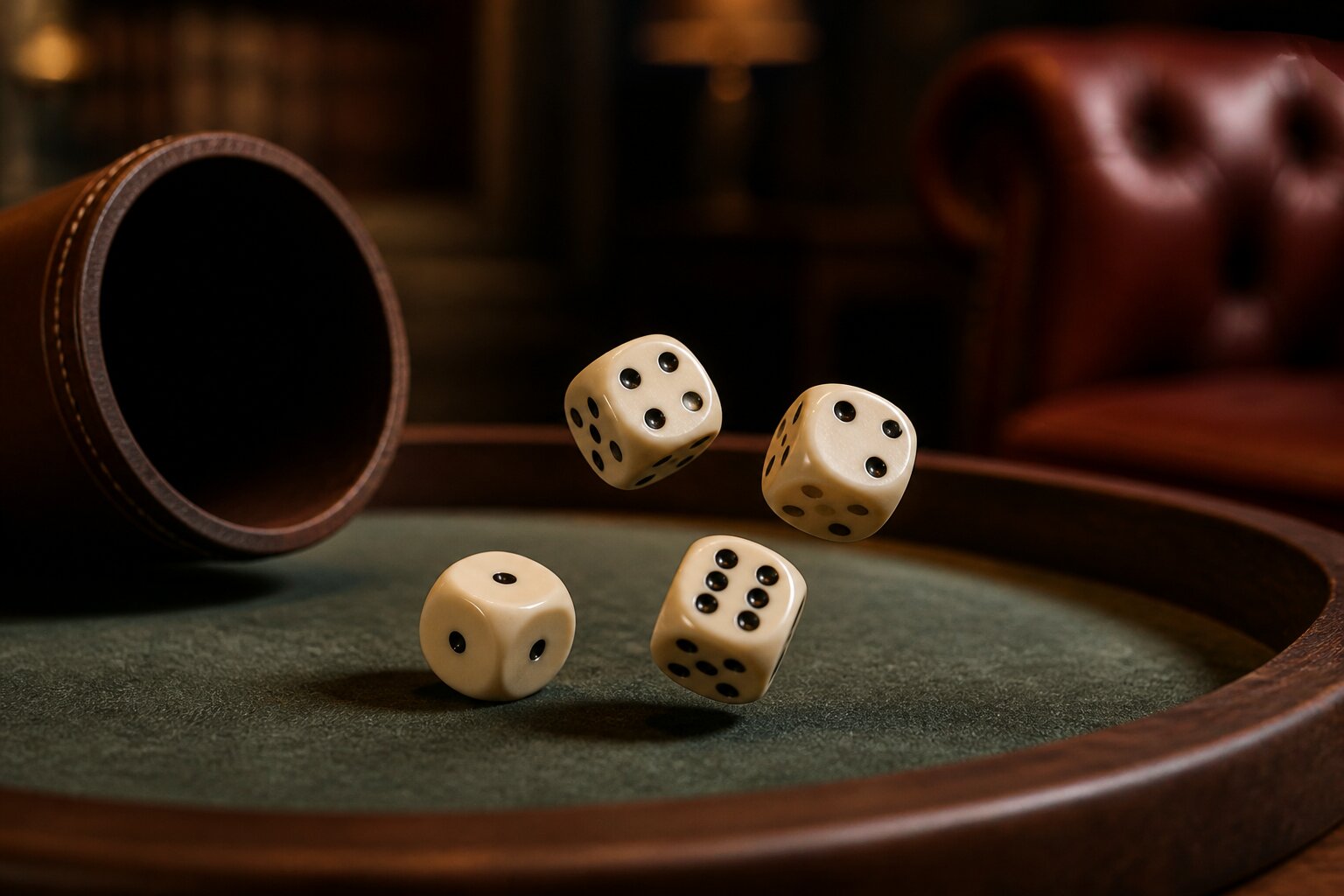
Chances are, if you’ve spent any time around a casino table or shaken a pair of dice at a social game, you’ve heard words that sound more like pub banter than serious play. Ever wondered why two sixes are sometimes called “boxcars”, or what someone means when they shout “snake eyes!” after a roll? There’s a whole world of colourful slang around dice, some of which has been passed down for generations.
It’s easy to pick up a phrase and drop it into conversation without much thought – but do these nicknames mean what you think they do, and where did they come from? Read on for the common terms and the stories behind them; next, we’ll run through the most familiar nicknames you’re likely to hear at the table.
What Are the Most Common Dice Roll Nicknames?
Across British casinos and dice games such as craps, several nicknames have become part of the table talk. These names usually come from the look of the dice, rhyming slang, or tradition passed down over the years. The following are the most widespread nicknames you might hear at the table, with a short explanation of each.
Snake Eyes: Rolling two ones (1-1). The two pips look like a pair of eyes peering up from the table.
Boxcars: Rolling two sixes (6-6). The paired sixes resemble the rectangular shapes of railway freight cars.
Little Joe: Rolling a four with double twos (2-2). Sometimes called “Little Joe on the rail”.
Hard Eight: A total of eight made with double fours (4-4). “Hard” denotes that the total is produced by a pair.
Ace Deuce: A three made with an ace and a two (1-2). A distinct pairing that has its own name.
Midnight: Rolling a twelve (6-6). An alternative name for double sixes used in many English-speaking contexts.
Easy Six: A total of six made with two different numbers (for example, 4-2 or 5-1). “Easy” refers to non-pair combinations.
Yo: Eleven (5-6). Called out to avoid confusing eleven with seven when the table is noisy.
These nicknames add colour to the game and make calling results quicker and more recognisable at a busy table. Having seen the common names, we’ll look next at how many of them first took shape in gaming culture.
Origins of Dice Roll Terms
Many dice roll nicknames grew out of long-standing gambling traditions, wordplay and everyday life around the time the terms were coined. As dice games spread across Europe and into Britain’s clubs and casinos, players invented shorthand to speed up calls and give the table a bit of character.
Some names come from appearance. “Snake eyes” describes the two single pips that face up on the dice, while “boxcars” draws on the similarity between double sixes and the rectangular freight cars seen on railways in the late 19th and early 20th centuries. Other phrases arrived through rhyming slang or affectionate nicknames used by players, such as “Little Joe”, which likely evolved in early craps communities.
Transatlantic influences also played a part: soldiers, sailors and travellers carried terms between continents and into British gaming circles. Over time, these phrases settled into the shared vocabulary of many tables, linking contemporary players to a lengthy social tradition. With that background in mind, it’s worth clearing up some common misunderstandings about what the nicknames actually do.
Popular Misconceptions About Dice Roll Nicknames
A common misconception is that using particular nicknames or calling out phrases can influence how the dice land. For example, some players assume that saying “snake eyes” or “boxcars” might affect the result. In fact, nicknames are simply part of the social ritual; they do not change the mechanics or probabilities of a roll.
Another confusion is thinking every nickname refers to matched pairs. While terms like “hard eight” do indicate doubles, others such as “easy six” or “yo” describe totals that can come from different combinations. The adjective “hard” specifically denotes the pair-produced totals, while “easy” covers totals produced by non-pair combinations.
These phrases are part of the game’s atmosphere rather than tools to alter outcomes. Understanding that distinction helps you appreciate the language without mistaking it for strategy. Next, we’ll consider where you’re most likely to hear these names and how they fit into different games.
Which Games Use Unique Dice Roll Terms?
Craps is the best-known casino game for colourful dice nicknames; in that setting players and dealers use calls such as “snake eyes”, “boxcars”, “Little Joe” and “yo” during play. The shorthand keeps communication clear across a busy table and contributes to the game’s lively tone.
Outside casinos, other games borrow or invent their own terms. In backgammon, doubles such as “double sixes” are typically announced plainly, though friends sometimes adopt casino slang for fun. Pub games like Liar’s Dice occasionally see nicknames, but less consistently than craps. Even classic board games with long histories can pick up informal phrases among regular players, usually as a bit of banter rather than official terminology.
These variations show how the same nicknames can migrate between settings, adapting to the social context of each game. Having surveyed where the terms appear, the next section looks at newer slang that’s emerged with changing player communities.
Modern Dice Slang Explained
Language at the table continues to evolve, especially with online platforms and streaming introducing fresh shorthand. Here are some newer terms you might hear in contemporary play:
Two’s Company: Double twos (2-2), a playful modern spin on the old “Little Joe”.
Double Trouble: Any roll of matching numbers, such as 3-3 or 5-5, used to emphasise the impact of doubles.
Bangers: Double sixes (6-6). A youthful alternative to “boxcars” sometimes heard online.
Lucky Duck: A total of seven (for example, 3-4 or 2-5). Used light-heartedly in chat to react to the frequent role that seven plays in certain games.
Pair Up: Any roll of doubles, a quick phrase commonly used in messaging and livestreams.
These newer expressions reflect how players refresh the language while keeping the core meanings intact. With that contemporary flavour noted, it’s useful to see how terms differ across cultures and languages.
How Do Dice Roll Nicknames Vary Around the World?
Nicknames reflect local speech and gaming traditions, so they often differ between countries. In France, for example, double ones are called “les yeux de serpent” — essentially the same image with a French phrasing. In Italy, double sixes may be referred to more plainly as “sei doppio” (double six), showing a preference for straightforward description in some places.
In parts of Asia, games such as Sic Bo use names tied to totals or particular patterns rather than playful nicknames, reflecting how local games shape the vocabulary. Across regions, the shared impulse is the same: players develop concise, memorable ways to call results that suit their language and customs.
Wherever you play, these terms act as a form of social shorthand, giving each table its own tone and making it easier for newcomers to join in. Whether you prefer the traditional calls or the modern chat-friendly slang, knowing the terms helps you follow the action and enjoy the shared culture of the game.
Knowing the lingo makes the table more welcoming and keeps you connected to the game’s social side, so listen for the calls, try a few yourself, and let the terms help you join the conversation.
Explore Casino Games at Slot Sites UK
We welcome you to enjoy a wide range of casino games with us, where you are free to take things at your own pace and simply have a bit of fun. Whether you are new to online gaming or have played before, we are here to offer a friendly and enjoyable experience.
Getting started is straightforward: just create an account, make a deposit and you will be ready to explore our games. We look forward to having you with us.
**The information provided in this blog is intended for educational purposes and should not be construed as betting advice or a guarantee of success. Always gamble responsibly.