
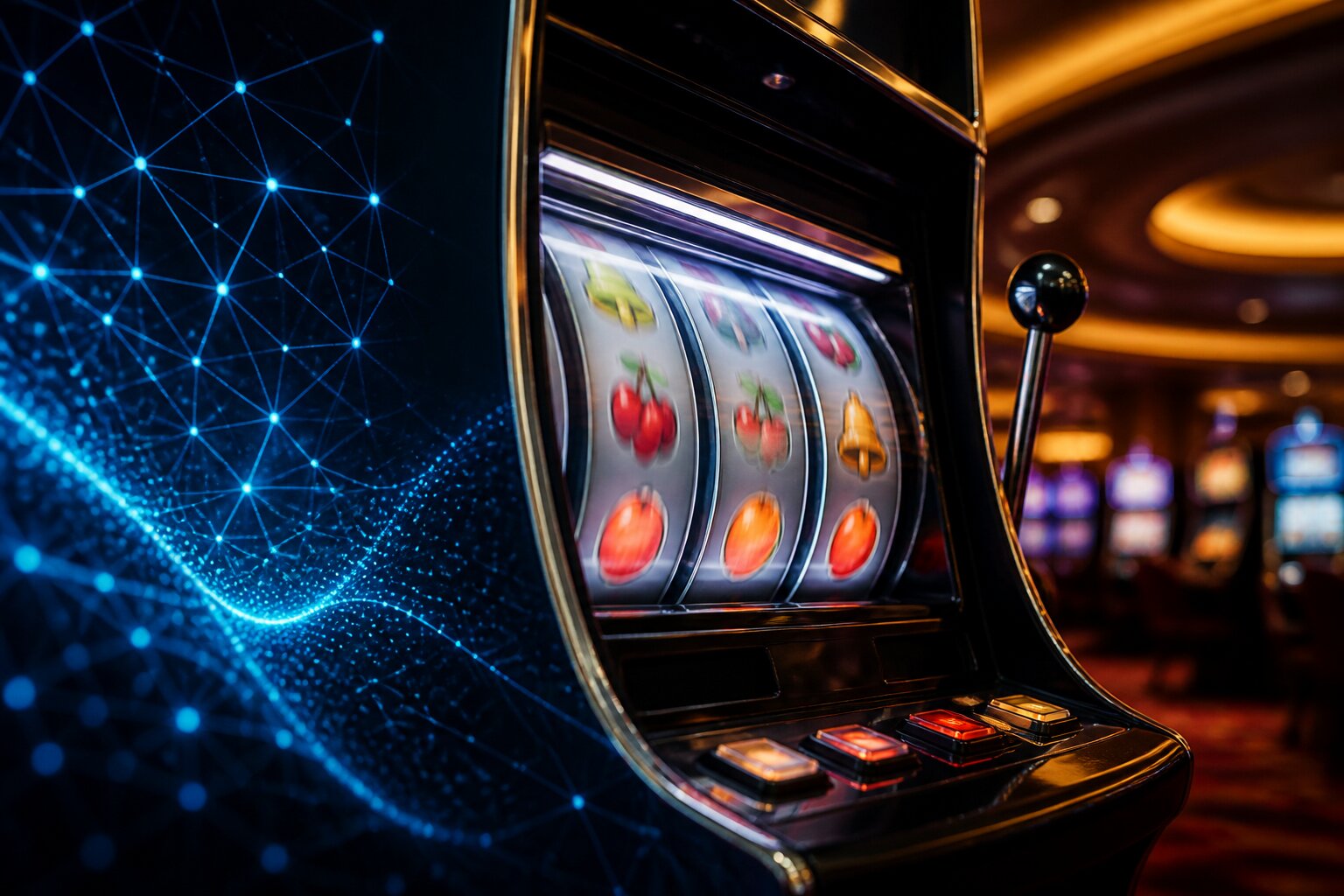
Ever spun the reels on a slot machine and wondered if the outcome is truly random or if there’s something happening behind the scenes? You’re not alone—this is a common question among players.
Slot machines look simple, but the technology that powers each spin is more complex. At their core is a system designed to produce unpredictable results; understanding how it works will help you see why outcomes are fair and why patterns you notice are usually just coincidence.
If you’re curious about how randomness is created and checked, this post explains the technology, the testing behind it, and what players should know to feel confident about the games they play.
How Do Slot Machines Work?
Slot machines are made to be easy to use, while their internal processes handle the tricky stuff. When you press the spin button, software determines the outcome rather than mechanical reels. Modern games present animated reels, but the result is decided by code operating behind the scenes.
That code includes a Random Number Generator (RNG), which selects outcomes independently and very quickly. Each spin is treated as a single event; previous spins do not carry over or influence what happens next.
For players, the experience remains the same: place a bet, press spin, and wait for the result. The design aims to be intuitive at the player interface while keeping the maths and mechanics out of sight.
To see how this plays out in practice, it helps to look at what an RNG actually is and how it operates in real time.
What Is a Random Number Generator (RNG)?
A Random Number Generator, or RNG, is the software component that produces the numbers mapped to reel positions and symbol outcomes. It runs continuously and generates numbers many times per second, so the moment you commit to a spin, a specific number is sampled to determine the result.
RNGs are subject to technical and regulatory scrutiny. Independent testing labs and regulatory requirements check that the software behaves as expected and does not introduce bias. These checks focus on whether the distribution of results matches the published payout characteristics of the game.
Put simply, the RNG is the game’s decision-maker. It creates the sequence of outcomes that are then translated into the symbols and payouts you see on screen.
How Does an RNG Make Slot Machines Random?
RNGs produce a stream of numbers while the game is running. When a spin occurs, one of those numbers is chosen and used to determine the combination of symbols that appears. That mapping from numbers to outcomes is handled by the game’s configuration and paytable.
Because the number is selected at the instant of play, each spin is statistically independent from the previous one. There is no memory of earlier spins embedded in the system, so patterns that seem apparent to the eye are not evidence of connected outcomes.
Manufacturers design the mapping so that rarer symbol combinations correspond to the lower frequency of the numbers that produce them, which is how return-to-player (RTP) figures are achieved over time.
If you want to dive deeper, the next section covers how operators and regulators keep these processes honest and verifiable.
Can Casinos Control or Predict Slot Outcomes?
Operators cannot control or predict individual spin outcomes. The RNG and the game’s configuration decide every result automatically. Oversight by independent testing labs and regulators exists to ensure those systems operate as intended.
Regulatory frameworks require that games are tested before release and audited periodically. Those processes check the RNG behaviour, the game’s payout structure, and whether the published RTP aligns with observed results across many plays.
Transparency and technical controls mean neither staff nor operators can select or change single-spin outcomes. That helps maintain confidence that the game performs according to its documented rules.
Knowing how regulation and testing work leads naturally to the question of whether online and physical slot machines are treated the same way.
Are Online Slot Machines Random Too?
Online slot machines use the same principles as physical machines: an RNG provides the underlying randomness, and testing verifies correct behaviour. The main difference is where the software runs and how the operator presents it to players.
In online environments, additional technical controls are often visible in certificates or test reports posted on the operator’s site, showing that independent labs have reviewed the RNG and the game’s payout characteristics. Those documents provide an extra layer of assurance that outcomes are generated and recorded properly.
Whether you play on a terminal in a venue or on a device at home, the same standards of testing and auditing are applied so that the mechanics of randomness remain consistent.
How Are Slot Machines Tested and Regulated in the UK?
In the UK, slot machines are subject to rigorous testing and regulation to ensure fair play. Accredited testing laboratories examine the RNG software, verify that the game complies with its technical specification, and confirm that the stated RTP is accurate when measured across many thousands of plays.
Regulators require ongoing audits, meaning a game is not only approved at launch but also monitored in operation. Any discrepancies can prompt further investigation and corrective measures. The combination of technical testing, lab certification, and regulatory oversight forms a layered system designed to protect players and uphold integrity.
These procedures explain why players can reasonably rely on the fairness of games offered under recognised regulation.
Common Myths About Slot Machine Randomness
Misunderstandings about how slots work create persistent myths. Clearing them up helps you avoid false assumptions and interpret what you see while playing.
Many myths come from seeing a few spins and drawing quick conclusions. Small samples can be misleading, and players often remember unusual outcomes more readily than ordinary ones. Being aware of these tendencies makes it easier to judge what is meaningful evidence and what is simply coincidence.
Do Past Spins Affect Future Results?
Past outcomes do not influence future ones. Each spin is a separate event determined by the random number generator at the moment of play. There is no memory or retention of previous results within the RNG process.
Because each spin is independent, a machine cannot be "due" to pay out or become "cold" because of earlier wins or losses. Beliefs that outcomes are connected are a form of gambler’s fallacy and can lead to incorrect conclusions about risk.
Can Patterns Be Detected or Exploited?
Perceived patterns are typically the result of normal statistical variation. Random sequences often show clustering and runs, which can look like a pattern even though each result is independent.
There are a few reasons why people think they see exploitable patterns:
- Small sample sizes magnify apparent trends that disappear with more data.
- Selective memory causes unusual or dramatic outcomes to be remembered while ordinary results are forgotten.
- Human brains are wired to find patterns, even where none exist.
Because every outcome is sampled independently, it is not possible to exploit perceived patterns to increase long-term returns. Games are also designed so that rare combinations occur less frequently, which is how their payout profiles and volatility operate. Understanding volatility and the published return-to-player percentage helps explain why wins and losses happen as they do, but neither provides a reliable method to predict or influence individual spins.
Ensuring Fair Play: What Should Players Know?
It helps to be aware of a few practical signals that a game or operator is held to proper standards, and to know where to find support if you need it.
Check that the operator and games have been subject to independent testing and that information about certifications or audits is available. This indicates the operator has engaged the necessary oversight and that the games’ technical behaviour has been examined.
Also look for clear information about the game’s RTP and how the operator presents rules and terms. Transparent communication about game mechanics and payout percentages is part of what good providers make available to help players make informed choices.
If gambling ever feels like it is becoming a problem, there are support organisations and helplines that offer confidential advice and assistance. As an operator, we include links and contact details for these services so help is easy to find.
By understanding the technology, the testing and the safeguards, you can play with greater confidence in how the games are run.
**The information provided in this blog is intended for educational purposes and should not be construed as betting advice or a guarantee of success. Always gamble responsibly.